
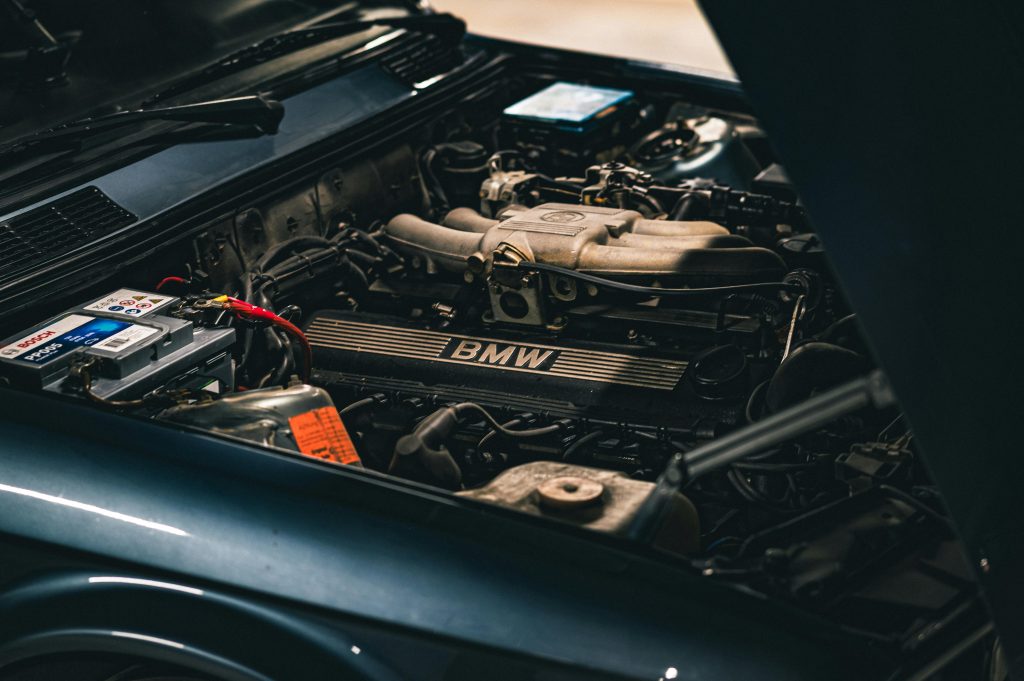
BMW engines are designed for performance, precision, and efficiency. But all that engineering depends on one critical system working properly: the cooling system. When the cooling system starts to fail, engine overheating is often the result—and that can lead to serious, expensive damage if ignored.
This guide explains BMW cooling system failure symptoms, how they show up while driving, and why acting early can save your engine.
Why the BMW Cooling System Is So Important
Your BMW engine produces extreme heat every time it runs. The cooling system maintains control over the heat by circulating coolant through the engine, radiator, and other components. If coolant flow is reduced, blocked, or lost, heat builds up fast.
Unlike older cars, many BMW engines use plastic cooling components and run at higher operating temperatures, which means small problems can turn serious quickly.
1. Engine Temperature Warning Light or Overheating Message
One of the clearest signs of cooling system failure is a temperature warning on the dashboard. BMWs often show a message like:
- Engine temperature too high
- Stop vehicle and allow engine to cool
Sometimes the temperature gauge may spike suddenly rather than rising slowly.
Why it happens:
Low coolant, a failing water pump, stuck thermostat, or radiator blockage prevents heat from escaping the engine.
Why it’s dangerous:
Continuing to drive while overheating can warp the cylinder head, damage head gaskets, and destroy the engine.
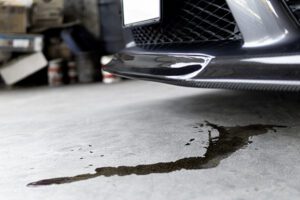
2. Coolant Leaks Under the Car
If you notice green, blue, or pink fluid under your BMW, that’s a strong sign of a cooling system problem. Many BMW coolant leaks come from plastic parts that crack with age and heat.
Common leak points include:
- Expansion tank
- Upper and lower radiator hoses
- Radiator end tanks
- Thermostat housing
Why it leads to overheating:
Coolant loss reduces the system’s ability to absorb and move heat away from the engine.
3. Low Coolant Warning Light Keeps Coming Back
BMWs often have a low coolant warning, even when the engine is not overheating yet. If you keep topping off coolant but the warning returns, there is likely a hidden leak or internal failure.
What this symptom means:
- Slow external leak
- Internal coolant loss
- Expansion tank failure
Ignoring this warning almost always leads to full overheating later.
4. Heater Blowing Cold Air While Driving
The cabin heater uses engine coolant to produce warm air. If your BMW’s heater suddenly blows cold air, especially while the engine temperature is rising, it’s a serious warning sign.
Possible causes:
- Low coolant level
- Air trapped in the cooling system
- Failing water pump
- Blocked heater core
This symptom often appears before major overheating, making it an early red flag.
5. Steam or Sweet Smell From the Engine Bay
Seeing steam from under the hood or smelling a sweet odor while driving usually means coolant is leaking onto hot engine parts.
What’s happening:
Coolant is escaping and instantly boiling when it hits the engine or exhaust components.
Why this is urgent:
Once steam appears, coolant loss is usually rapid, and engine overheating can follow within minutes.
6. Electric Water Pump Failure Symptoms
Many modern BMWs use an electric water pump instead of a belt-driven one. These pumps often fail suddenly without warning.
Signs of electric water pump failure include:
- Sudden overheating at highway speeds
- Temperature warning lights with no visible leaks
- Engine going into limp mode
- Cooling fan running at full speed constantly
When the water pump stops, coolant circulation stops completely.
7. Thermostat Stuck Closed or Open
A failing thermostat is a very common BMW cooling issue.
If stuck closed:
- Engine overheats quickly
- Temperature rises sharply after startup
If stuck open:
- Engine runs too cool
- Poor fuel economy
- Delayed warm-up
A thermostat stuck closed is especially dangerous because it blocks coolant flow to the radiator.
8. Radiator Fan Running Loud or Not Running at All
BMW radiator fans are controlled electronically and respond to engine temperature. Cooling system problems can cause the fan to behave abnormally.
Warning signs:
- Fan runs at full speed all the time
- Fan does not turn on even when overheating
- Loud fan noise shortly after startup
Fan issues reduce airflow through the radiator, making overheating more likely in traffic or hot weather.
9. Engine Goes Into Limp Mode When Hot
BMWs protect themselves by reducing power when overheating is detected. This is known as limp mode.
Symptoms include:
- Reduced acceleration
- Limited RPM
- Warning messages on the display
Limp mode is a clear sign the engine control system is reacting to unsafe temperatures.
10. White Residue or Crust Around Cooling Parts
Dried coolant often leaves behind white or chalky residue around hoses, radiator connections, and the expansion tank.
This is a sign of:
- Past or active coolant leaks
- Hairline cracks in plastic components
Even small leaks can worsen quickly once the system is under pressure.
Why BMW Cooling Failures Escalate So Quickly
BMW engines are built with tight tolerances and lightweight materials. Overheating causes:
- Aluminum engine components to warp
- Head gasket failure
- Oil breakdown
- Internal engine scoring
In many cases, one overheating event is enough to cause permanent damage.
What to Do If You Notice These Symptoms
If you suspect cooling system failure:
- Pull over safely if temperature rises
- Turn off the engine and allow it to cool
- Do not open the coolant cap when hot
- Avoid driving until inspected
- Have the cooling system pressure-tested
Continuing to drive an overheating BMW almost always turns a repair into an engine replacement.
How to Prevent BMW Cooling System Failure
Preventive care goes a long way:
- Replace coolant at recommended intervals
- Inspect hoses and expansion tank regularly
- Replace water pump and thermostat together when high mileage
- Fix small leaks immediately
- Never ignore warning lights
BMW cooling systems are reliable when maintained—but unforgiving when neglected.
Final Thoughts
BMW cooling system failure symptoms often appear quietly at first: a warning light, a small leak, or weak cabin heat. Ignoring these signs allows heat to build, and engine overheating follows fast.
If you catch the problem early, repairs are manageable. If you wait, the engine may not survive. Paying attention to these symptoms is one of the most important things you can do to protect your BMW and avoid catastrophic engine damage.