

A gas smell inside your car is not only unpleasant but can also signal a potentially serious issue that needs immediate attention.
Whether it’s a small leak or a more significant problem, identifying and fixing the source is crucial for your safety and your car’s health.
In this guide, we’ll walk you through how to diagnose and fix a gas smell in your car.
Why Does Your Car Smell Like Gas?
Before diving into the solutions, it’s important to understand the potential causes. The smell of gasoline inside your car could be due to:
- Fuel Leak: This is one of the most common reasons. A leak in the fuel tank, fuel lines, or injectors could release gasoline vapors.
- Faulty Gas Cap: A loose, damaged, or missing gas cap can allow gas fumes to escape.
- Evaporative Emission System Issues: Problems with the EVAP system, which controls gas vapors, can lead to a fuel odor.
- Exhaust Leak: Exhaust gases may carry the smell of unburned fuel into the cabin if there’s a leak in the system.
- Spillage: Gasoline spills during refueling might linger in the cabin or trunk area.
Diagnosing the Source of the Gas Smell
To effectively fix the problem, you’ll first need to locate the source of the smell. Follow these steps:
1. Inspect the Gas Cap
Start with the simplest check. A gas cap that isn’t tightened properly or is damaged can allow fumes to escape.
- What to Look For: Check for cracks or signs of wear on the cap. Ensure it’s securely tightened after refueling.
- Solution: If the cap is damaged, replace it with a new one.
2. Check for Fuel Leaks
Fuel leaks can occur anywhere along the fuel system, from the fuel tank to the engine.
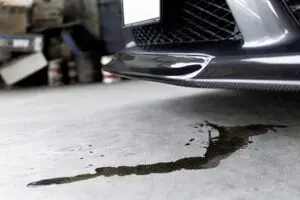
- What to Look For: Inspect under your car for wet spots or puddles of gasoline. Pay attention to the smell near the fuel tank, fuel lines, and engine bay.
- Solution: If you find a leak, avoid driving the car until it’s repaired. Contact a mechanic immediately, as leaks are a fire hazard.
3. Inspect the EVAP System
The evaporative emissions system prevents fuel vapors from escaping into the air. A faulty EVAP system can cause a gas smell.
- What to Look For: Check the EVAP hoses for cracks or disconnections. The charcoal canister, which traps fuel vapors, can also wear out over time.
- Solution: Replace any damaged hoses or faulty components. This might require professional help.
4. Examine the Exhaust System
An exhaust leak can let unburned fuel vapors enter your car’s cabin.
- What to Look For: Listen for unusual noises like hissing or tapping when the engine is running. Check for visible damage to the exhaust pipes or muffler.
- Solution: Repair or replace damaged exhaust components. This is best handled by a mechanic.
5. Look for Spilled Gasoline
Gasoline can spill and soak into the car’s carpet or upholstery, especially if you carry gas cans in your trunk.
- What to Look For: Sniff around the cabin and trunk. Check for wet or stained areas.
- Solution: Clean up any spills with a mixture of water and mild detergent. Ventilate the car thoroughly to remove lingering fumes.
How to Fix the Gas Smell
Once you’ve identified the source of the smell, it’s time to fix it. Here are some general tips for resolving common issues:
Tighten or Replace the Gas Cap
A loose or broken gas cap is an easy fix. Simply purchase a new cap from an auto parts store and replace it.
Repair Fuel Leaks
Fuel leaks require immediate attention. If you spot a leak, avoid driving your car. Towing it to a professional mechanic is the safest option.
Replace EVAP System Components
If the EVAP system is the culprit, replacing damaged hoses or the charcoal canister should resolve the issue. A mechanic can use diagnostic tools to pinpoint the exact problem.
Fix the Exhaust System
Exhaust system repairs can range from sealing small leaks to replacing sections of the system. Have a professional handle this for safety and proper installation.
Clean Up Spills
Use absorbent materials like baking soda or cat litter to soak up spilled gasoline. Wash the area with soapy water and allow it to air out.
Preventing Future Gas Smells
To avoid encountering gas smells in the future, take these preventative measures:
- Regular Maintenance: Schedule routine inspections for your car’s fuel system and exhaust components.
- Handle Gasoline Safely: Always refuel carefully and avoid overfilling the tank.
- Secure Gas Containers: If you transport gasoline in your car, ensure the containers are sealed tightly and stored securely.
- Monitor Warning Signs: Pay attention to any unusual smells or noises and address them promptly.
When to Seek Professional Help
While some fixes can be handled at home, others require professional expertise. If you’re unable to locate the source of the smell or if the problem persists after attempting repairs, take your car to a trusted mechanic.
Gasoline-related issues can pose serious safety risks, so don’t delay seeking help.
Final Thoughts
The smell of gas in your car is not something to ignore. By diagnosing the problem early and addressing it promptly, you can ensure your safety and maintain your car’s performance.
Whether it’s a simple gas cap replacement or a more complex repair, tackling the issue head-on will save you time, money, and potential hazards down the road.
Take action today, and drive with confidence knowing your car is safe and smell-free!