

Regular oil changes are one of the simplest and most effective ways to keep your vehicle running smoothly.
Yet, many drivers overlook this essential maintenance task or stretch the intervals too far. Neglecting oil changes can lead to decreased performance, engine damage, and costly repairs.
So, how can you tell if it’s been too long between oil changes? Here’s everything you need to know to keep your car in top shape.
Why Are Oil Changes Important?
Motor oil plays a vital role in keeping your engine healthy. It lubricates moving parts, reduces friction, absorbs heat, and prevents harmful debris from causing wear and tear.
Over time, oil breaks down and becomes less effective, leading to potential issues such as:
- Increased engine wear: Without proper lubrication, engine parts can grind together and wear out quickly.
- Overheating: Old oil doesn’t absorb heat as effectively, causing your engine to run hotter than it should.
- Sludge buildup: Dirt and debris can accumulate, forming sludge that clogs vital engine components.
To avoid these problems, it’s crucial to stick to a regular oil change schedule and recognize the signs when you’re overdue.
Signs It’s Been Too Long Between Oil Changes
If you’ve missed your last oil change, your car will likely give you some warning signs. Here’s what to watch for:
1. Dark or Dirty Oil
Fresh motor oil is typically amber-colored and slightly translucent. Over time, it darkens as it collects dirt and debris. Checking your oil with the dipstick is an easy way to tell if it’s time for a change. If the oil looks dark, gritty, or sludgy, it’s a sign that it’s been too long.
2. Increased Engine Noise
Oil cushions and lubricates the moving parts in your engine. When the oil is old or low, these parts rub together, creating noise. If your engine starts to sound louder than usual or makes knocking and ticking sounds, it’s time to check your oil.
3. Burning Oil Smell
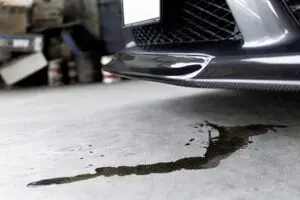
A burning oil smell inside your car could indicate a leak or that the oil has broken down and is no longer doing its job effectively. This is a serious sign that requires immediate attention.
4. Warning Lights
Modern vehicles are equipped with oil monitoring systems that alert you when it’s time for an oil change. If you see the oil light or the “check engine” light on your dashboard, don’t ignore it. These warnings often mean your oil level is low or the oil quality has degraded.
5. Excessive Exhaust Smoke
While some exhaust smoke is normal, excessive or dark smoke could indicate that the oil isn’t performing properly. This could be a sign of serious engine trouble if ignored for too long.
6. Reduced Fuel Efficiency
Old oil can thicken and lose its ability to reduce friction, making your engine work harder. If you notice a drop in your gas mileage, it could be a sign that you’re overdue for an oil change.
How Often Should You Change Your Oil?
The frequency of oil changes depends on several factors, including your car’s make and model, your driving habits, and the type of oil you use.
Here are some general guidelines:
- Traditional oil: Every 3,000 to 5,000 miles or every 3 months.
- Synthetic oil: Every 7,500 to 10,000 miles or every 6 months.
Always refer to your vehicle’s owner’s manual for the manufacturer’s recommendations. If you drive under severe conditions; such as frequent stop-and-go traffic, extreme temperatures, or towing heavy loads; you may need to change your oil more often.
Tips to Extend the Life of Your Oil
To ensure your oil performs at its best and lasts as long as possible, follow these tips:
- Use the right oil: Always use the type of oil recommended in your owner’s manual. Synthetic oils often last longer and provide better performance under extreme conditions.
- Check your oil regularly: Make it a habit to check your oil level and quality at least once a month.
- Don’t ignore warning signs: If your car shows any of the signs mentioned above, address the issue promptly.
- Stick to a schedule: Mark your calendar or set reminders for your next oil change to avoid forgetting.
What Happens If You Wait Too Long?
If you consistently delay oil changes, your engine could suffer from:
- Increased wear and tear: Lack of lubrication causes metal parts to grind against each other, leading to damage.
- Overheating: With clean oil, your engine can stay energized, potentially resulting in a blown gasket or other expensive repairs.
- Complete engine failure: In extreme cases, neglecting oil changes can lead to total engine failure, requiring a costly replacement.
Conclusion
Changing your oil regularly is one of the easiest ways to keep your car running smoothly and avoid costly repairs.
By staying aware of the signs that it’s been too long between oil changes; like dirty oil, warning lights, or unusual engine noise, you can protect your engine and ensure a long life for your vehicle.
Check your oil often, stick to a maintenance schedule, and always use the type of oil recommended for your car. Your car works hard for you; return the favor by giving it the care it deserves!