

If you drive a Volkswagen (VW) vehicle with a turbocharged engine, you know how important the turbo is for boosting performance and efficiency.
However, like any mechanical component, the turbocharger can fail over time. When this happens, it can lead to a sudden loss of power, which may leave you feeling frustrated and unsure about what to do.
In this post, we’ll walk you through the common symptoms of turbo failure and how to identify them before they lead to a complete breakdown.
What is a Turbocharger?
Before we dive into the symptoms of turbo failure, it’s essential to understand what a turbocharger does. A turbocharger is a device that forces extra air into the engine’s combustion chamber, increasing engine power.
By using exhaust gases to spin a turbine, the turbocharger helps improve the efficiency and performance of your engine, giving you that extra boost when you need it.
Symptoms of Turbo Failure
When your turbocharger begins to fail, it can show several signs that you should be aware of.
Here are some of the most common symptoms of VW turbo failure that can lead to sudden power loss:
1. Reduced Power and Acceleration
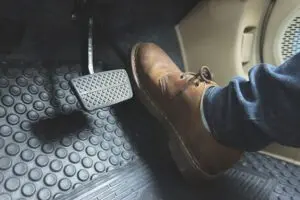
One of the first signs of turbo failure is a noticeable reduction in power. You might find that your vehicle struggles to accelerate, even when pressing the gas pedal down fully. This can happen because the turbocharger is no longer able to force enough air into the engine to produce the required power.
Why it happens: As the turbocharger begins to fail, it loses efficiency. This results in lower air intake, which means less power for your engine.
2. Check Engine Light (CEL) or Warning Lights
If your VW’s turbo is failing, the check engine light (CEL) may illuminate on your dashboard. In some cases, a warning light may also appear indicating a problem with the turbo system. These lights often point to issues like excessive boost pressure, leaks, or turbo-related faults.
Why it happens: The engine control unit (ECU) detects abnormal behavior in the turbo system, such as a drop in boost pressure or a malfunctioning turbo sensor, triggering the warning light.
3. Unusual Whining or Grinding Noises
Another common symptom of a failing turbo is a high-pitched whining or grinding noise coming from the engine bay, especially when accelerating. This noise is typically caused by a damaged or worn-out turbocharger bearing or turbine.
Why it happens: Over time, the turbo’s bearings can wear out due to excessive heat and friction. When this happens, the turbine may rub against other parts of the turbo, creating a whining or grinding sound.
4. Excessive Exhaust Smoke
If you notice excessive smoke coming from your exhaust, it could indicate that the turbo is failing. This smoke is usually blue or black and may be accompanied by a strong smell. Blue smoke can be a sign of oil burning, while black smoke often indicates that the engine is burning too much fuel.
Why it happens: A failing turbo can cause oil to leak into the combustion chamber, leading to blue smoke. Black smoke, on the other hand, may occur if the turbo is not providing enough air for proper combustion, causing unburned fuel to exit the exhaust.
5. Oil Leaks
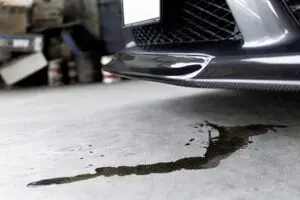
Turbochargers are lubricated by engine oil, and over time, seals can wear out. If you notice oil leaks around the turbo, it’s a strong indicator that the turbocharger may be failing.
Why it happens: The seals inside the turbocharger can break down due to high temperatures or excessive wear. When this happens, oil can leak out, leading to low oil levels and a lack of lubrication, which further damages the turbo.
6. Poor Fuel Economy
A malfunctioning turbocharger can also lead to a drop in fuel efficiency. Since the turbocharger is responsible for improving the engine’s efficiency, a failure can cause the engine to use more fuel to produce the same amount of power.
Why it happens: If the turbo is not boosting the engine’s performance efficiently, the engine compensates by consuming more fuel to meet the required power levels.
What to Do If You Experience Turbo Failure Symptoms
If you experience any of these symptoms, it’s essential to take action immediately. Here’s what you can do:
- Stop Driving and Inspect the Vehicle: If you notice a sudden loss of power or any of the other symptoms mentioned above, it’s a good idea to stop driving the car and inspect the turbo for any obvious issues, such as oil leaks or damaged hoses.
- Check the Oil Levels: Ensure that the engine oil levels are correct. Low oil levels can lead to turbo failure, so it’s essential to top up the oil if necessary.
- Visit a Mechanic: If you suspect a turbo failure, it’s crucial to take your VW to a trusted mechanic for further diagnosis. They will perform a thorough inspection and use diagnostic tools to determine whether the turbo needs repair or replacement.
Conclusion
A failing turbo can lead to significant power loss and engine performance issues. By recognizing the symptoms of turbo failure early, you can prevent further damage to your vehicle and avoid costly repairs. Always keep an eye out for signs like reduced power, unusual noises, warning lights, or excessive exhaust smoke. Regular maintenance, such as oil changes and air filter replacement, can also help prolong the life of your turbocharger and keep your VW running smoothly for years to come.