

Your car has a lot going on under the hood. One of the most important systems is the cooling system, which helps your engine stay at the right temperature.
If this system fails, your engine could overheat, and that can lead to expensive damage. That’s where a coolant flush comes in.
In this article, we’ll break down what a coolant flush is, why your car needs one, what happens during the service, and most importantly—how long it takes.
If you’re wondering what to expect when you bring your car in, this guide is here to help.
What Is a Coolant Flush?
A coolant flush, also called a radiator flush, is like a deep cleaning for your car’s cooling system. It involves draining out old coolant (also called antifreeze), cleaning the inside of the system, and refilling it with fresh coolant.
Coolant flows through your radiator and engine, helping to carry away heat. Over time, though, coolant breaks down and collects dirt, rust, and other contaminants. This gunky fluid doesn’t do a good job of keeping your engine cool. That’s why flushing it out is so important.
During a flush, a machine is often used to push out the old coolant, clean out the inside with a special solution or water, and then add new coolant. It’s a simple but powerful way to help your engine stay healthy.
Why Do You Need One?
Just like oil changes and tire rotations, coolant flushes are regular maintenance tasks your car needs to stay in good shape. Here’s why:
1. Coolant Wears Out Over Time
Coolant doesn’t last forever. It may lose its strength or get full of particles. When it does, it stops protecting the engine like it should.
2. It Prevents Overheating
Without good coolant, your engine can get too hot. This can cause serious problems, like a blown head gasket or warped engine parts.
3. It Keeps Rust and Dirt Away
Old coolant may contain rust, scale, and dirt that can clog your radiator or hoses. A flush helps remove all that and keeps things flowing smoothly.
4. It Saves You Money
Skipping a coolant flush may seem fine for now, but it can lead to expensive engine repairs later. This simple service helps prevent that.
5. It Improves Heater and A/C Performance
Believe it or not, your car’s heating system also depends on coolant. If your heater isn’t blowing hot air, it could be because of dirty coolant.
What Happens During the Service?
If you’ve never had a coolant flush before, you might be curious about what goes on in the shop. Here’s a step-by-step look at the process:
Step 1: Inspection
The mechanic will start by popping your hood and checking the coolant in the reservoir and radiator. They’ll look at the color and level. Coolant should usually be green, orange, or pink (depending on the type). If it’s brown or cloudy, that’s a bad sign.
They may also use a test strip or meter to check the acidity level and freezing/boiling point.
Step 2: Draining the Old Coolant
Next, they’ll open a valve or remove a plug at the bottom of the radiator. This lets the old coolant drain out into a safe container for disposal. This part helps remove the bulk of the dirty fluid.
Step 3: Flushing the System
Then comes the actual “flush.” A cleaning solution or water is pumped through the system using a flush machine. This rinses out leftover particles, rust, and gunk. It’s like giving your radiator and engine a bath from the inside.
In some cases, mechanics may do this step more than once to make sure everything is clean.
Step 4: Adding New Coolant
Once the system is clean, fresh coolant is poured in. It’s usually a 50/50 mix of antifreeze and distilled water. The mechanic will choose the right type for your car—yes, not all coolants are the same!
Step 5: Bleeding the System
Before they’re done, the mechanic will bleed the system. That means getting rid of any trapped air bubbles, which can mess with coolant flow. They may run the engine with the radiator cap off for a while until the bubbles are gone.
So, How Long Does a Coolant Flush Take?
Now, let’s answer the big question—how long should you expect to wait?
⏱ Average Time: 1 to 2 Hours
Most coolant flushes take about 1 to 2 hours. Here’s what can affect the time:
- Quick flush: If your car is newer or well-maintained, the service may only take around 45 minutes to 1 hour.
- Deeper flush: If the system is full of sludge or rust, or if it hasn’t been flushed in years, it might take up to 2 hours.
Some cars also have larger or more complex cooling systems, which adds time.
🚗 Factors That May Delay the Flush
- Your mechanic may find leaks that need fixing first
- The thermostat or radiator cap may be damaged and need replacing
- The shop is busy, especially if you didn’t schedule ahead
To avoid waiting too long, it’s always a good idea to book an appointment ahead of time.
What to Do While You Wait
Since a coolant flush doesn’t take a whole day, you can:
- Wait at the shop’s lounge (many places offer free Wi-Fi, coffee, and comfy chairs)
- Run a few errands nearby
- Ask about a shuttle or loaner vehicle if the shop offers it
Some modern shops will even text you updates so you know exactly when your car is ready.
Signs It’s Time for a Coolant Flush
How do you know if your car needs one soon? Watch for these clues:
- The temperature gauge rises quickly
- The coolant is brown or murky instead of bright and clear
- You smell something sweet or musty under the hood
- The heater blows cold air
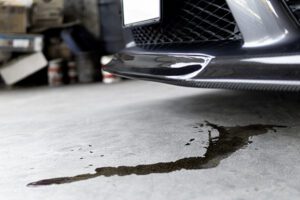
- There’s a puddle of colored fluid under your car
If you notice any of these, it’s best to get your cooling system checked out right away.
How Much Will It Cost?
Prices vary depending on the shop and your vehicle, but expect to pay about $100 to $150 for a standard flush.
The price usually includes:
- Labor
- New coolant
- Cleaning solution (if needed)
- System pressure check
Always ask for a detailed estimate upfront and check your owner’s manual to know how often this service is needed (usually every 30,000 to 60,000 miles).
Final Thoughts
A coolant flush is one of the easiest ways to protect your car’s engine. It may not seem like a big deal, but it can prevent overheating, improve performance, and save you from costly repairs down the road.
Here’s what you should remember:
- It takes about 1 to 2 hours
- It keeps your engine running cool and clean
- It’s worth the time and cost for peace of mind
So next time your car’s due for service, don’t skip the coolant flush. Your engine—and your wallet—will thank you later.