
Your car’s water pump plays a crucial role in keeping your engine cool. It circulates coolant through the engine, maintaining an optimal temperature and preventing overheating.
A failing water pump can lead to severe engine damage, so recognizing the signs early can save you from costly repairs down the line.
In this article, we’ll explore the common indicators of a failing water pump and what you should do if you spot these warning signs.
1. Coolant Leaks
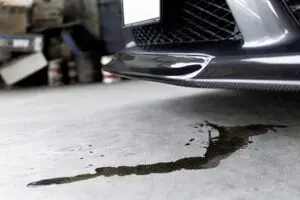
One of the earliest and most noticeable signs of a failing water pump is a coolant leak. The pump contains seals and gaskets that prevent coolant from escaping.
Over time, these seals can wear out, leading to leaks. You might notice a puddle of coolant (a bright green, orange, or pink fluid) under your vehicle after it’s been parked. If left unchecked, low coolant levels can cause your engine to overheat, leading to severe damage.
What to Do:
Check under your car regularly for leaks. If you find any, inspect your water pump and coolant reservoir. Leaks may require replacing the seals, gaskets, or the entire pump.
2. Overheating Engine
An overheating engine is a strong indicator of water pump failure. When the pump is no longer able to circulate coolant effectively, your engine’s temperature can rise dangerously. This issue often occurs in conjunction with low coolant levels or a malfunctioning thermostat.
Warning Signs:
- The temperature gauge on your dashboard reads higher than normal.
- Steam coming from the engine bay.
What to Do:
Pull over immediately if your car begins to overheat. Continuing to drive can cause irreversible engine damage. Once the engine cools down, check your coolant level and look for signs of a water pump issue.
3. Unusual Noises
A failing water pump often produces strange noises due to a loose or damaged pulley or worn-out bearings. If you hear a whining or grinding sound coming from the front of your engine, it could be the water pump.
Causes of Noises:
- Loose water pump pulley.
- Worn-out bearings inside the pump.
What to Do:
Consult a mechanic to determine if the noise is from the water pump or another component, such as the serpentine belt. Replacing the pump may be necessary to eliminate the issue.
4. Rust and Corrosion
Rust or corrosion on the water pump is another common indicator of trouble. Coolant contains additives that prevent rust, but a leak or incorrect fluid mixture can lead to corrosion. Corroded areas weaken the pump, eventually leading to failure.
How to Check:
Inspect the water pump for visible rust or pitting around the seals and gaskets. Corrosion often appears as a crusty or flaky buildup.
What to Do:
If rust is present, it’s time to replace the water pump. Additionally, ensure you’re using the correct type of coolant and changing it as recommended by your vehicle’s manufacturer.
5. Poor Coolant Circulation
A failing water pump can disrupt the flow of coolant through your engine. This is harder to detect without specific tools but can manifest as overheating or irregular temperature fluctuations.
Signs to Look For:
- The temperature gauge fluctuates unpredictably.
- The heater stops blowing warm air during colder months.
What to Do:
Have a mechanic check the coolant flow. They may use diagnostic tools to confirm whether the water pump is failing.
6. Steam from the Radiator
If your water pump completely fails, your engine can overheat to the point of producing steam. This is a severe issue that requires immediate attention.
Signs of Extreme Overheating:
- Large amounts of steam billowing from under the hood.
- A burning smell coming from the engine area.
What to Do:
Pull over safely and turn off your car. Do not attempt to open the radiator cap while the engine is hot, as this can cause severe burns. Call a tow truck and have your vehicle taken to a mechanic.
How to Prevent Water Pump Failure
While water pump failure can’t always be avoided, routine maintenance can help extend its lifespan and reduce the risk of unexpected breakdowns.
Here are some tips:
- Check Coolant Levels Regularly: Keep coolant at the proper level and top off when necessary.
- Flush the Cooling System: Follow your vehicle manufacturer’s recommendations for flushing and refilling the coolant.
- Inspect Belts and Hoses: Damaged or worn-out belts can strain the water pump. Replace them as needed.
- Use the Right Coolant: Always use the type of coolant specified in your vehicle’s owner’s manual.
- Schedule Regular Inspections: Have a mechanic inspect your cooling system, including the water pump, during routine maintenance.
Final Thoughts
The water pump is a vital component of your car’s cooling system. Ignoring the warning signs of a failing water pump can lead to overheating, engine damage, and costly repairs.
By staying vigilant and addressing issues early, you can keep your vehicle running smoothly and avoid major headaches.
If you suspect your water pump is failing, consult a trusted mechanic to diagnose and resolve the issue promptly.