

Your car’s suspension system is vital for a smooth and safe ride. It absorbs the shocks from bumps and uneven roads while keeping your tires in contact with the ground.
Over time, the suspension can wear out, leading to discomfort, poor handling, and even safety hazards. Regular inspection can help catch issues early and save you from expensive repairs.
Here’s a simple guide to inspecting your car’s suspension for problems.
What is the Suspension System?
Before diving into inspections, it’s important to understand what the suspension system includes.
The main components are:
- Springs: These absorb road shocks and support the vehicle’s weight.
- Shock Absorbers (or Struts): They control the movement of the springs and reduce bouncing.
- Control Arms: These connect the suspension to the frame and guide wheel movement.
- Bushings: Flexible components that absorb vibrations and reduce friction.
- Ball Joints: They act as pivot points for the wheels.
- Anti-Roll Bars (or Sway Bars): They stabilize the car during turns.
Each of these parts works together to give you a stable and comfortable ride.
Signs of Suspension Problems
Before performing an inspection, watch out for common symptoms that might indicate a suspension issue:
- Unusual noises: Clunking, squeaking, or knocking sounds when driving over bumps or turning.
- Poor handling: Difficulty steering or excessive body roll when cornering.
- Uneven tire wear: Tires wear out faster on one side.
- Rough ride: Feeling every bump in the road.
- Nose-diving: The front of the car dips when braking.
- Leaning or sagging: The car appears tilted or sits lower on one side.
These symptoms often point to problems with specific components of the suspension system.
Tools You’ll Need
For a basic suspension inspection, gather the following tools:
- A flashlight
- A jack and jack stands
- Gloves
- A pry bar
- A measuring tape or ruler
Having these on hand will make the process easier and safer.
Step-by-Step Guide to Inspecting Your Suspension
1. Park Safely and Secure the Car
Begin by parking on a flat surface and engaging the parking brake. Ensure the car is stable before lifting it with a jack. Use jack stands to secure the vehicle and prevent accidents.
2. Visual Inspection
Use a flashlight to check for visible issues:
- Springs: Look for cracks, breaks, or sagging.
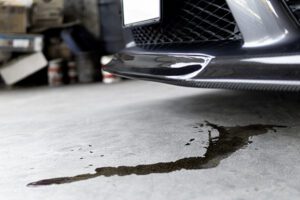
- Shock Absorbers: Check for oil leaks or physical damage.
- Control Arms and Bushings: Inspect for cracks, wear, or missing bushings.
- Ball Joints: Ensure they are not loose or excessively worn.
- Tires: Check for uneven wear, as it often indicates alignment or suspension issues.
3. Check the Ride Height
Measure the distance between the ground and the bottom of the car at each corner. If one side is significantly lower, it could mean a broken spring or a worn-out shock absorber.
4. Perform the Bounce Test
Push down firmly on the hood or trunk and release. The car should bounce once or twice before settling. If it bounces more, the shock absorbers may be worn.
5. Listen for Noises
Turn the steering wheel fully to one side and then the other. Listen for clunking or grinding noises, which may point to worn-out ball joints or control arm bushings. Drive the car slowly over bumps or uneven terrain to listen for squeaks or rattles.
6. Inspect the Sway Bar
Use a pry bar to gently move the sway bar and its links. Excessive play can indicate worn bushings or broken links, which affect the car’s stability.
7. Check Alignment
Uneven tire wear or a car that pulls to one side may suggest alignment problems. While you can’t fix alignment yourself, identifying the issue can help your mechanic diagnose it quickly.
When to Call a Professional
Some suspension problems require specialized tools or expertise to fix. If you notice any of the following, take your car to a professional mechanic:
- Persistent clunking or knocking noises
- Major leaks from the shock absorbers
- Severely sagging or leaning suspension
- Difficulties with steering or maintaining control
Ignoring these problems can lead to more severe damage and higher repair costs.
Maintaining Your Suspension System
Preventive maintenance can extend the life of your suspension system:
- Check tire pressure regularly: Proper inflation reduces strain on the suspension.
- Avoid overloading: Carrying too much weight can damage the springs and shocks.
- Drive carefully: Slow down over bumps and avoid potholes whenever possible.
- Get regular alignments: Proper alignment reduces uneven tire wear and stress on the suspension.
- Inspect periodically: Perform a quick check every few months or before long trips.
Conclusion
Your car’s suspension is essential for both comfort and safety. Regular inspection can help you catch problems early and keep your ride smooth and reliable.
By following this guide, you’ll be better equipped to identify issues and maintain your vehicle’s suspension system. If you’re ever in doubt, don’t hesitate to consult a professional mechanic.
With proper care and attention, you can enjoy a safe and comfortable driving experience for years to come.