
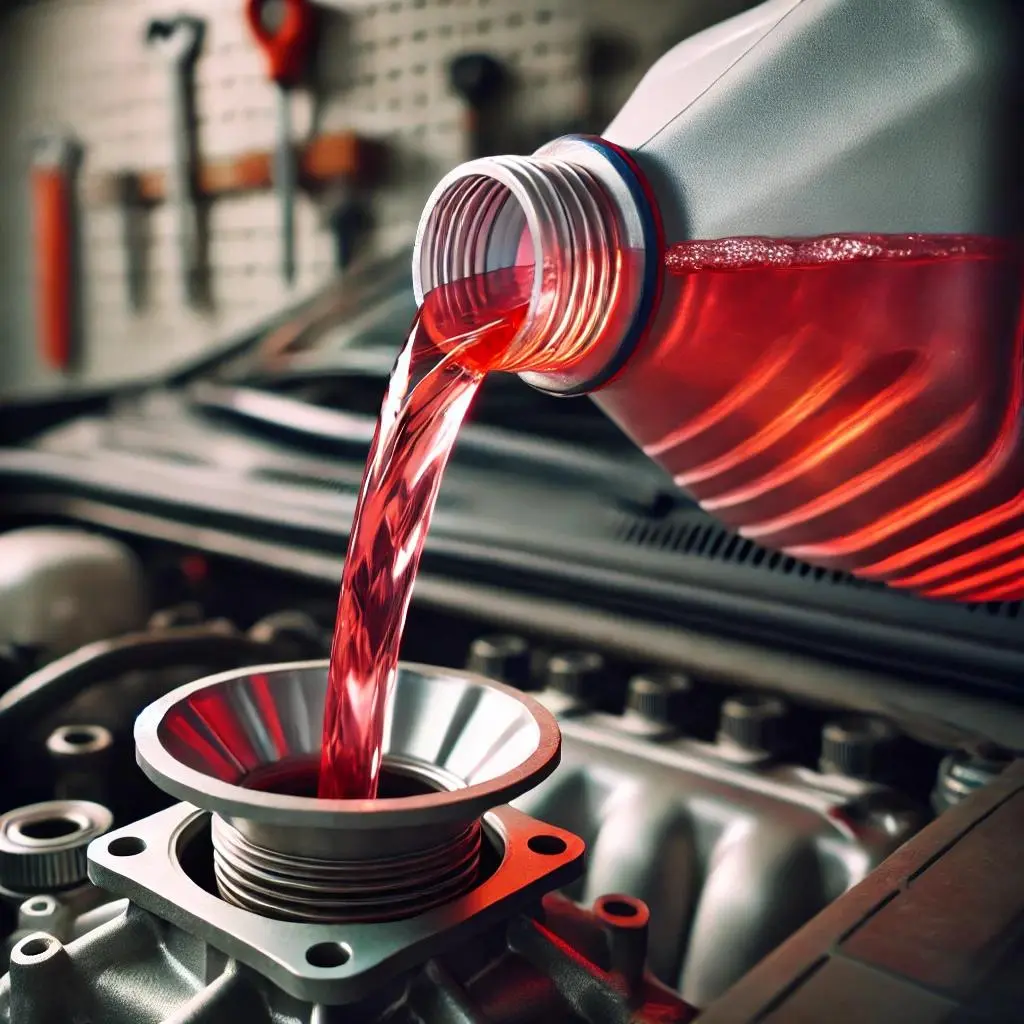
Your vehicle’s transmission fluid is critical for keeping your car running smoothly. It acts as a lubricant for all the moving parts within the transmission and helps regulate temperature to prevent overheating.
But how do you know when it’s time to replace your transmission fluid? This guide will help you spot the signs and understand the importance of regular maintenance.
Why is Transmission Fluid Important?
Transmission fluid serves multiple essential functions in your vehicle:
- Lubrication: Reduces friction between moving parts.
- Temperature Regulation: Prevents the transmission from overheating.
- Hydraulic Function: Enables smooth gear shifts.
- Protection: Prevents rust and wear on metal components.
Without proper transmission fluid, your vehicle may experience major mechanical issues, potentially leading to costly repairs.
Signs Your Transmission Fluid Needs Replacing
Transmission fluid doesn’t last forever. Over time, it can break down, get dirty, or lose its effectiveness. Here are some telltale signs that it might be time for a replacement:
1. Difficulty Shifting Gears
If you notice hesitation or roughness when shifting gears, it might indicate that the transmission fluid is dirty or low. Clean and adequate fluid ensures that gears engage smoothly.
2. Unusual Noises
Grinding, whining, or clunking noises can signal a transmission problem. Old or contaminated fluid may not properly lubricate the moving parts, leading to these unwanted sounds.
3. Burning Smell
A burnt odor often points to overheating transmission fluid. This can happen if the fluid is too old, dirty, or low in quantity. Ignoring this can lead to serious damage to your transmission.
4. Leaking Fluid
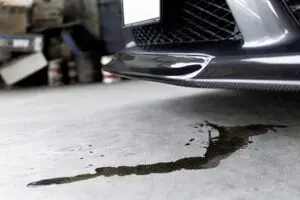
Transmission fluid leaks are easy to identify. Look for reddish or brownish puddles under your car. Leaks not only indicate low fluid levels but also suggest a potential mechanical issue that needs immediate attention.
5. Dashboard Warning Light
Many vehicles have a warning light that activates when the transmission is under stress. If this light comes on, it’s worth checking the fluid condition as part of your diagnosis.
6. Slipping Gears
When your car unexpectedly shifts gears or struggles to stay in gear, it might be due to insufficient or degraded transmission fluid. This can affect your car’s performance and safety.
How to Check Your Transmission Fluid
Performing a quick check can help you determine whether your transmission fluid is in good condition.
Here’s how you can do it:
- Locate the Dipstick: Look for the transmission fluid dipstick, usually located near the engine. Refer to your vehicle’s manual if needed.
- Inspect the Color: Transmission fluid should be bright red or pink. If it looks brown, dark, or cloudy, it’s time for a change.
- Smell the Fluid: Fresh fluid has a sweet or neutral smell. If it smells burnt, it’s likely degraded.
- Check the Level: Use the dipstick to check the fluid level. Low levels could indicate a leak or the need for a refill.
When to Replace Transmission Fluid
The frequency of replacing your transmission fluid depends on your vehicle’s make, model, and driving conditions.
Generally:
- Manual Transmissions: Typically need a fluid change every 30,000 to 60,000 miles.
- Automatic Transmissions: Can go longer, often between 60,000 to 100,000 miles.
Always consult your owner’s manual for specific recommendations. If you frequently tow heavy loads, drive in stop-and-go traffic, or operate in extreme temperatures, you may need to replace the fluid more often.
DIY vs. Professional Service
DIY Fluid Replacement
If you’re comfortable working on your vehicle, replacing transmission fluid can be a manageable DIY project.
Here’s what you’ll need:
- Transmission fluid compatible with your vehicle.
- A drain pan, funnel, and gloves.
- Basic tools for removing the drain plug or pan.
Steps:
- Drain the old fluid.
- Replace the filter (if applicable).
- Add new fluid gradually, checking the level as you go.
Important: Always ensure you’re using the correct type of fluid for your vehicle. Using the wrong fluid can cause severe damage.
Professional Service
If you’re unsure about handling it yourself, a professional mechanic can perform the service efficiently. They can also flush the entire system, removing all the old fluid, debris, and contaminants, ensuring optimal performance.
Benefits of Regular Transmission Fluid Maintenance
Replacing your transmission fluid regularly offers several advantages:
- Extended Transmission Life: Clean fluid reduces wear and tear on components.
- Improved Performance: Smooth gear shifts and reduced risk of overheating.
- Cost Savings: Prevents expensive repairs caused by neglected fluid maintenance.
Final Thoughts
Knowing how to tell if your transmission fluid needs replacing can save you from unexpected breakdowns and costly repairs.
Pay attention to the signs, check the fluid condition regularly, and follow the maintenance schedule recommended by your vehicle’s manufacturer.
Whether you choose to do it yourself or visit a professional, keeping your transmission fluid in good shape ensures your car stays reliable for years to come.
Take Action Now: If you’ve noticed any of these signs, don’t wait. Check your transmission fluid today and take the necessary steps to maintain your vehicle’s health!